Forrest Gump feels too familiar to have secrets left. Yet decades after its release, the film still hides small choices, production gambles, and technical tricks that most viewers never notice — the details that make it feel less like a simple crowd-pleaser and more like a carefully built portrait of American life.
Key Takeaways
- The feather: a real feather on a wire, shot against blue screen and digitally composited — the landing was drawn in by hand.
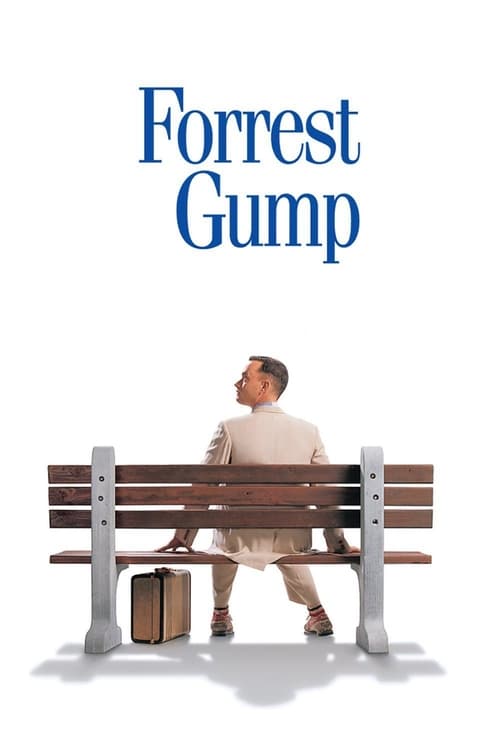
- The bench: a fibreglass-and-wood prop, not a fixture of Chippewa Square; a replica now sits in the Savannah History Museum.
- The chocolates: the famous box was packed with sand, not sweets, so it would hold its shape through hours of filming.
- The accent: Tom Hanks matched young co-star Michael Conner Humphreys' Mississippi drawl, not the other way round.
- The blue shirt: Forrest wears one at the start of every new era of his life — and, fans have noticed, so does his son at the very end.
- The ping-pong: every ball was added after filming — Hanks swung at empty air to a click track.
- The eyes: Forrest's eyes are shut in every still photo in the film, yet he never blinks once during a ping-pong rally.
- Lieutenant Dan: Gary Sinise's legs were hidden with a special wheelchair and blue fabric, then erased frame by frame.
- The gamble: Hanks and director Robert Zemeckis personally paid for scenes the studio refused to fund.
The feather is a technical experiment, not just a symbol
The opening and closing feather is usually read as a symbol of fate versus chance, but how it was made matters just as much. It was never simply filmed drifting: crews held a real feather on a thin wire against a blue screen and composited it into the shots, with the final descent to Forrest's feet drawn in digitally. It is both a visual thesis and a technical trial — a single image that tells the audience how to read the whole film.
The bench was never really there
The famous Savannah bench is another piece of movie magic people misunderstand. It was a prop — fibreglass moulded to look like cement, with wooden slats — built for the production rather than a permanent fixture in Chippewa Square. After filming it was removed, and a replica was later placed in the Savannah History Museum to preserve the landmark. The spot tourists visit today is a landmark by memory, not by the original object.
The chocolates were never real
The box Forrest offers strangers on that bench sits behind cinema's most quoted line about never knowing what you're going to get — yet it never held a single real chocolate. Sweets would have melted or gone stale across hours of takes, so prop makers packed the box with sand instead: marked as 23 ounces, it reportedly weighed in at around four pounds once filled. The actual prop later sold at auction for $25,000, still sealed and still full of sand.
The accent was borrowed from a child
Tom Hanks did not invent Forrest's voice on his own. When young actor Michael Conner Humphreys was cast, he naturally spoke with a thick Mississippi accent, and rather than force the child to imitate Hanks, the production had Hanks match the boy instead. That gave the character one consistent voice across two ages — but it also means the adult Forrest's sound was shaped by a child actor's natural speech.
The blue shirt marks time — and outlives Forrest
One of the quietest visual signals in the film is Forrest's wardrobe. Each time the story jumps forward to a new period of his life, the first scene of that era shows him in a blue plaid or checkered shirt — a way of telling the audience time has moved on without a line of dialogue or a title card. Zemeckis and the costume department have never publicly explained it, but fans have noticed the same pattern reappear in the film's final scene: Forrest's son boards the school bus wearing a similar blue checkered shirt, quietly suggesting his own journey is about to begin the way his father's did.
The ping-pong balls were all fake
Forrest's ping-pong mastery is one of the film's most iconic runs, yet Hanks never hit a real ball in those scenes. He and his opponents swung at empty air, timing their paddles to a click track, and every ball was added afterwards. The trajectory, motion blur, and sound were all built in post-production, turning a simple game into a quiet showcase of early digital effects.
Forrest's eyes give the joke away
Look closely at every still photograph of Forrest in the film — school pictures, a magazine cover, a newspaper clipping — and his eyes are shut in all of them, as if he tries so hard to stand up straight and look presentable that he forgets to keep them open. The joke runs in reverse during the ping-pong scenes: once a fellow soldier tells him the trick is to keep his eye on the ball, Forrest does exactly that, and doesn't blink once through an entire rally. Two small, consistent choices that say more about the character than a line of dialogue could.
Lieutenant Dan's legs were hidden with stage magic and CGI
Gary Sinise's performance as Lieutenant Dan convinced many viewers that an amputee had been cast. The effect combined old-fashioned illusion with new technology: depending on the shot, Sinise tucked his legs into a specially built wheelchair or wore blue fabric over them, which visual-effects artists at Industrial Light & Magic then erased frame by frame. It was one of the first times digital compositing was used to remove body parts rather than swap backgrounds — subtle enough that audiences assumed it was all practical.
The rosary carried real-life weight
Lieutenant Dan's necklace means more than most viewers realise. It is a Saint Christopher medal — a rosary inscribed "Protect Us In Combat" — that belonged to Sinise's brother-in-law, Jack Treese, a combat medic who wore it in Vietnam in 1967–68. Sinise swapped the costume department's prop dog tags for Treese's real set, lending Dan's journey from anger to peace a quiet layer of authenticity.
Hanks and Zemeckis paid for scenes themselves
Behind the warmth of the finished film was real financial tension. When Paramount balked at the budget, Hanks and Zemeckis deferred their salaries for a share of the profits — and went further, personally paying out of pocket to keep certain sequences alive, including the celebrated cross-country run the studio refused to fund. The gamble paid off many times over, and it is one reason the film feels so complete and uncut.
The brother who ran as Forrest
In some of the long-distance running shots it is not Tom Hanks on screen but his younger brother, Jim, who doubled for him across many of Forrest's running scenes. Jim stepped in for wide shots and physical work so the production could capture the scale of the cross-country run without overextending the lead — another small piece of the illusion that keeps Forrest's journey feeling continuous.
Frequently Asked Questions
Was the feather in Forrest Gump real or CGI?
Both. A real feather on a thin wire was filmed against a blue screen and composited into the shots, while the final moment of it landing at Forrest's feet was drawn in digitally.
Were the chocolates in Forrest Gump's box real?
No. The box was packed with sand — reportedly around four pounds of it — so it would keep its shape and sit steadily on Hanks's lap through hours of filming.
Why does Forrest wear a blue checkered shirt?
It marks the start of a new period in his life each time the story jumps forward. Fans have also noted that his son wears a similar shirt boarding the school bus in the film's final scene.
Did Tom Hanks really play ping-pong in the film?
No. Hanks and his opponents swung their paddles at empty air, timed to a click track, and every ball was added digitally in post-production.
Why does Forrest close his eyes in every photo?
It's a small, consistent character choice rather than a filming accident — his eyes are shut in every still photograph in the movie, in contrast to the ping-pong scenes, where he famously never blinks.
How were Lieutenant Dan's legs removed?
Gary Sinise wore blue fabric over his legs or tucked them into a specially built wheelchair, and visual-effects artists erased them frame by frame — an early, subtle use of digital compositing.
Who ran as Forrest in the long-distance scenes?
Tom Hanks' younger brother, Jim Hanks, doubled for him in many of Forrest's running scenes.
References
- Industrial Light & Magic — Forrest Gump visual effects
- Screen Rant — How the Lieutenant Dan scenes were filmed
- Screen Rant — 10 hidden details you never noticed
- The A.V. Club — Tom Hanks had CGI help for the ping-pong scenes
- IndieWire — Tom Hanks paid for Forrest Gump scenes himself
- Military.com — The real Vietnam medal behind Lt. Dan's rosary
- HuffPost — Tom Hanks on the origin of the Forrest Gump accent
- The Atlanta Journal-Constitution — Where the Forrest Gump bench really is
- Ripley's Believe It or Not! — Ripley's acquires Forrest Gump's box of chocolates
- Collider — Forrest Gump facts better than a box of chocolates
Want the full picture — cast, ratings, and the trailer? See our Forrest Gump page, or see what else is on the blog.